
You have quotes sitting in your inbox and they are not comparable. One is a few hundred dollars, the other is several thousand, and both say they will "make your video". The confusion is understandable, because video editing vs video production is not a distinction most people need until the moment they are being asked to pay for one of them.
The short version: production is everything that happens to create footage. Editing is everything that happens after it exists. Which you need depends entirely on whether you already have something in the can.
What Video Production Actually Covers
Production is the full pipeline, and most of it happens before anyone presses record.
Pre-production is the planning layer: concept, script, storyboard, shot list, casting, location scouting, scheduling and permits. It is unglamorous and it is where projects are won or lost, because a weak brief cannot be rescued later no matter how good the crew is.
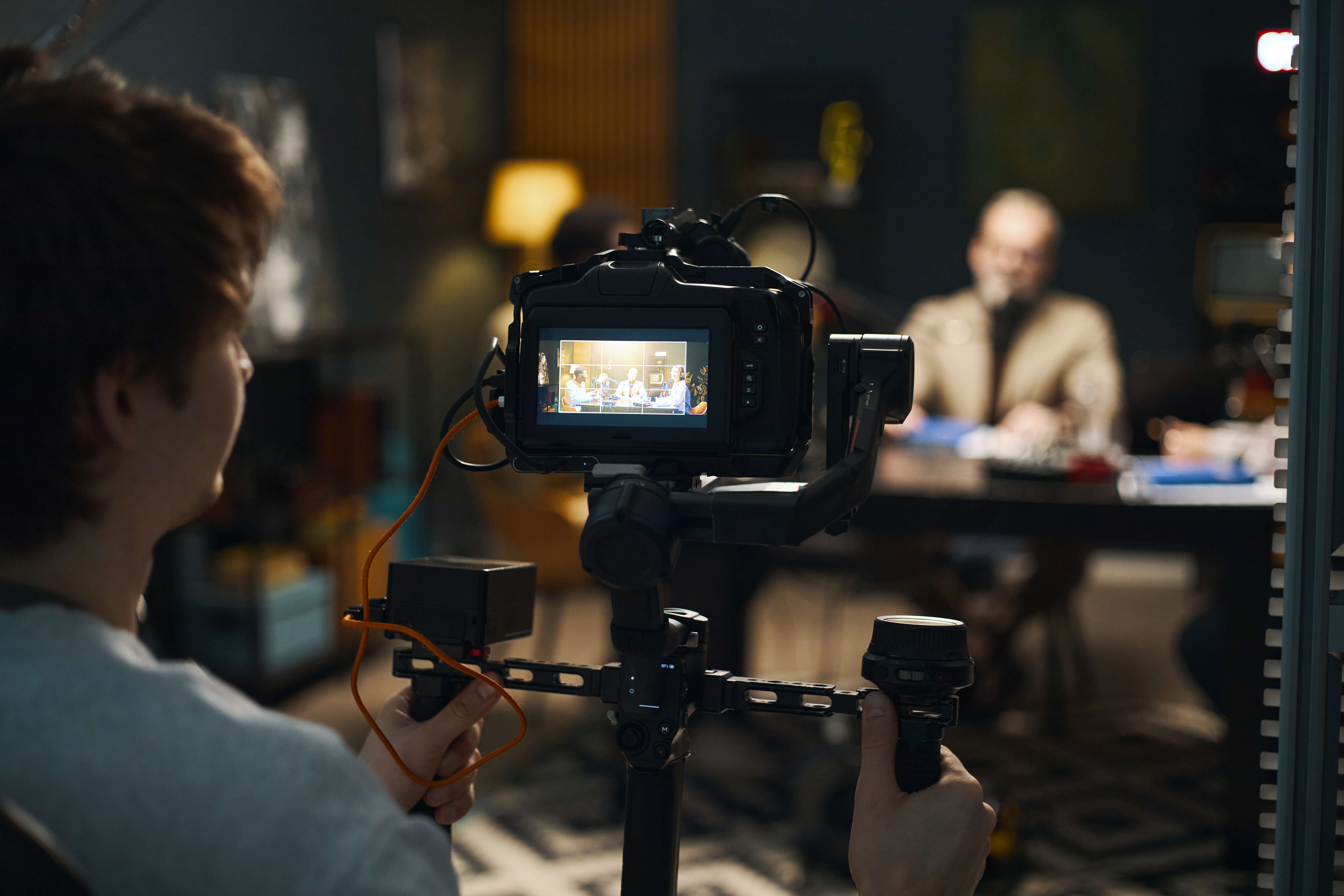
The shoot itself brings the crew and the kit. Depending on scale that might mean a director, camera operator, lighting and sound, plus talent and a producer keeping the day on schedule. Editing is then folded in as post-production, along with colour grading, sound mixing, music licensing and motion graphics.
Hiring a video production company means handing over the whole chain, from an idea on a whiteboard to a finished file. You are buying creative direction and logistics, not just a camera.
What Video Editing Services Cover
Editing starts with footage that already exists, whether that came from a shoot, a phone, an archive or a stock library.
An editor assembles a story from the raw material, then handles pacing, colour correction, audio cleanup and balancing, captions, titles, graphics, and versioning for different platforms. That last part matters more than people expect. A single interview can produce a two-minute hero video, six vertical cutdowns and a set of quote cards, and none of that requires reshooting anything.
Video editing services are the right call when the footage is genuinely there and genuinely usable. They are the wrong call when the audio is unrecoverable, the framing does not suit the format you need, or the material simply does not contain the story you are trying to tell. No edit adds a shot that was never filmed.
How to Tell Which One You Need
Work through these in order:
- Do you have footage? If not, you need production. This is the whole decision most of the time.
- Is the footage any good? Unusable audio, shaky handheld or badly lit interviews cost more to fix badly than to shoot again properly.
- Does it contain your story? Look at what you actually have, not what you remember filming. Missing coverage is the most common reason an edit stalls.
- How much do you have? Sitting on hours of event, webinar or product footage usually means editing is your best value by a wide margin.
- What is the deadline? Production needs planning time. Editing can start tomorrow.
-
The Middle Ground Most Projects Land In
The neat split is often not what happens in practice. Plenty of projects are part edit, part small shoot: existing footage forms the spine, and a half-day pickup shoot fills the specific gaps.
There is also the ongoing arrangement, where a shoot is designed from the outset to feed months of editing. One well-planned day can produce a launch film plus a quarter of social content, provided someone thought about the cutdowns before the crew arrived rather than after.
That planning is the difference between one video and a library of them. You can see how this plays out across finished work on our projects page, and the post side of it sits under our creative services.
The Bottom Line
If you are starting from nothing, you need production, and the planning phase is where your budget does the most work. If you have footage and want more out of it, you need editing, and it will cost a fraction of a new shoot. If you are not sure whether what you have is workable, get someone to look at the raw files before you commission anything.
Not sure which side of the line your project falls on? Visit Kreative and we will take a look at what you already have.